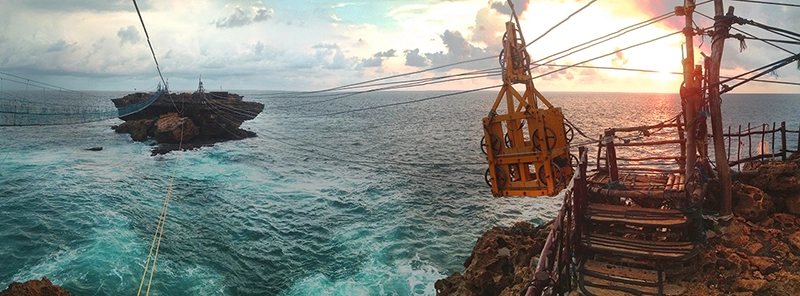
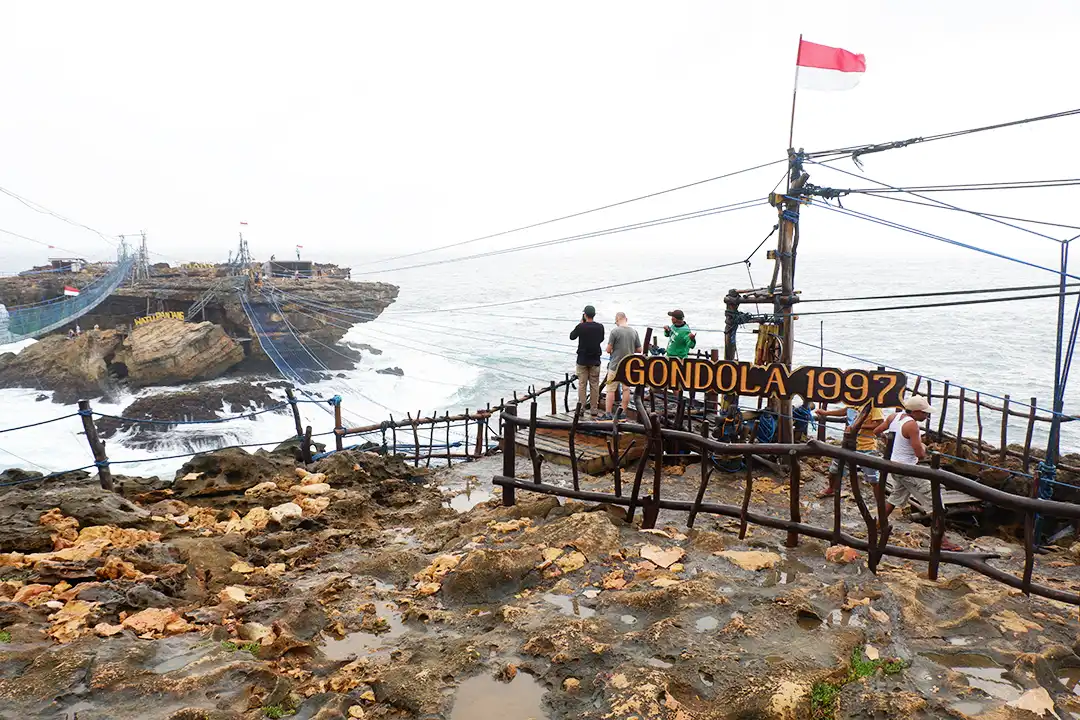
Timang Beach Weather and Sea Conditions: Season and Waves
Timang Beach, located in the coastal region of Gunungkidul, Yogyakarta, is known for its rugged limestone cliffs, traditional lobster fishing, and powerful Indian Ocean waves. Understanding Timang Beach weather and sea conditions is important for visitors, local fishermen, and travelers who want to experience the famous Timang Gondola. The sea changes throughout the year, influenced by seasonal winds, ocean swells, rainfall, and tides. These natural conditions affect fishing activities, the availability of lobsters, and the overall experience of visiting Timang Beach.
Weather and Wave Conditions at Timang Beach
Timang Beach faces the southern Indian Ocean, where waves can become powerful even when the weather on land appears sunny. During the drier months, especially around May to September, easterly and southeasterly winds can contribute to changing wave conditions along the southern coast of Yogyakarta. The transition between seasons can also bring unpredictable weather, strong winds, and sudden increases in wave height. For this reason, checking the latest marine forecast is essential before planning fishing
activities or a visit to Timang Beach.
As a reference for the surrounding coastline, the Indonesian Meteorology, Climatology, and Geophysics Agency (BMKG) provides marine forecasts for Gunungkidul waters and the fishing ports of Gesing and Sadeng. BMKG may reported waves of approximately 1.6 metres at Sadeng Fishing Port and around 1.7 metres in Gunungkidul waters, with moderate sea conditions. These figures describe forecast conditions for the relevant marine areas, not direct measurements at Timang Beach. Wave heights can differ between locations because of coastline orientation, underwater topography, reefs, and incoming ocean swells.
Rainy Season vs Dry Season at Timang Beach
Timang Beach experiences two main seasons: the rainy season and the dry season. In the Yogyakarta region, the rainy season generally occurs from around November to March, while the dry season typically extends from April to October. However, the exact timing varies each year. These seasonal changes influence not only the weather and accessibility of Timang Beach but also fishing activities, lobster harvesting, and the overall experience for visitors. Because Timang Beach faces the Indian Ocean, rainfall and sunshine alone cannot determine whether the sea is safe; wind direction, ocean swells, and local currents are equally important.
During the rainy season, frequent rainfall, cloudy skies, and occasional strong winds can make fishing more challenging. Rough seas may prevent fishermen from reaching their usual fishing grounds, particularly when large waves break against the rocky coastline. Rain can also reduce visibility and make wet rocks, coastal paths, and access roads more slippery. For lobster fishermen, the number of suitable fishing days may decrease when the sea becomes dangerous, even if lobsters remain available in their natural habitat. Rod fishing can also be affected by changing currents, reduced visibility, and limited access to exposed fishing spots. Nevertheless, fishing activity does not necessarily stop throughout the rainy season, as local fishermen adjust their schedules according to daily conditions.
How the Season Affected Tourism
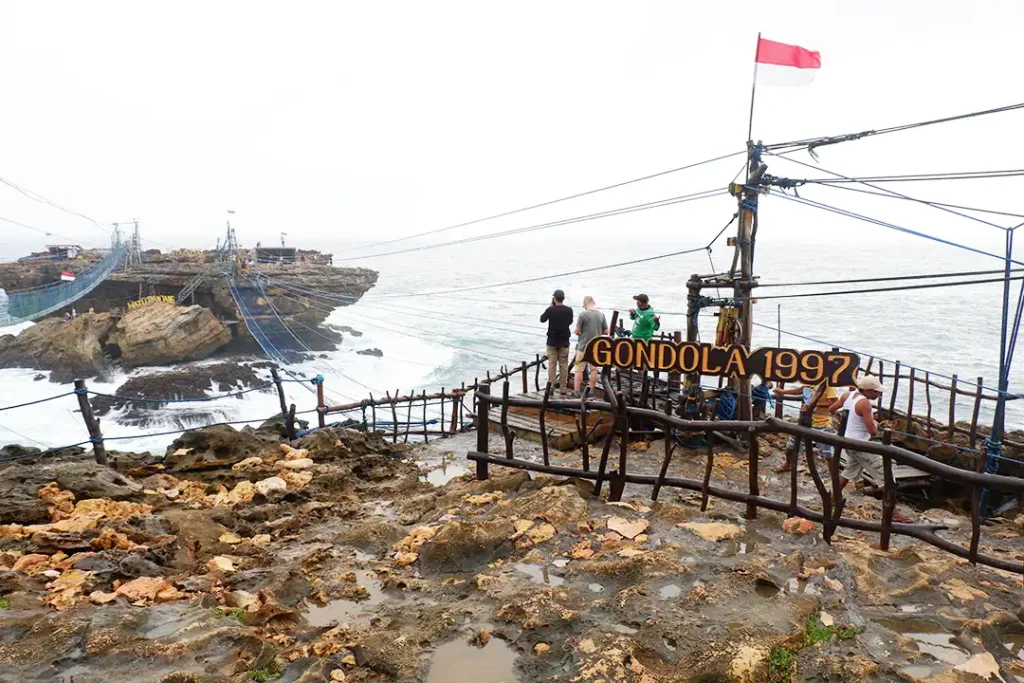
For tourism, the rainy season offers a different atmosphere at Timang Beach. Visitors may encounter misty coastal scenery, dramatic skies, and powerful waves crashing against limestone cliffs and offshore rocks. These conditions can create impressive photographic opportunities, particularly for travelers who enjoy rugged landscapes and the untamed character of the southern coast. However, heavy rain and high waves can also limit access to the beach, affect Timang Gondola operations, and make some outdoor activities unsuitable. Travelers should check the weather forecast and confirm operating conditions with local tour operators before departure.
The dry season generally provides more opportunities for comfortable sightseeing because rainfall is less frequent and outdoor travel can be easier to arrange. Clearer skies can improve coastal views and create favourable conditions for photography, beach exploration, and journeys around Gunungkidul. Depending on wind and swell patterns, the dry season can also bring periods of strong ocean waves, particularly along exposed sections of the southern coastline. This means that a sunny day does not always indicate calm seas. Fishing conditions can improve when the sea is manageable, allowing fishermen to plan trips more confidently, but strong winds and large swells can still interrupt lobster harvesting and rod fishing.
Interestingly, the best season for fishing and the most visually dramatic time for tourism are not always the same. Fishermen generally need manageable waves, suitable tides, and safe access to their fishing grounds, whereas visitors may be attracted to the powerful waves that make Timang Beach famous. During certain periods, waves crashing against the rocks create an unforgettable coastal spectacle, even when fishing activity is reduced. However, the most powerful waves can also make the beach dangerous, so visitors should enjoy the scenery from designated safe areas and follow local guidance. Ultimately, the best time to visit Timang Beach depends on the purpose of the trip: fishing, sightseeing, photography, or experiencing the local coastal culture.