Timang Beach: The Connection Between Fishermen’s Livelihood and Tourism in Yogyakarta
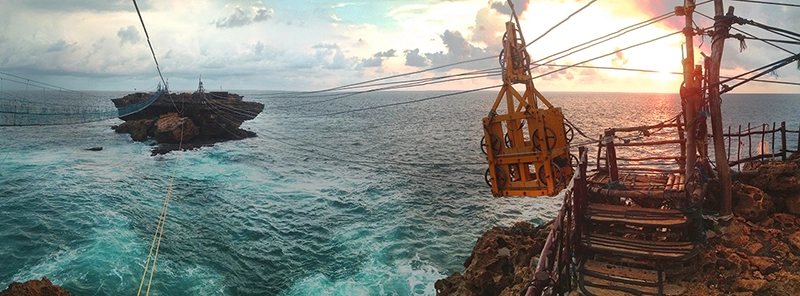
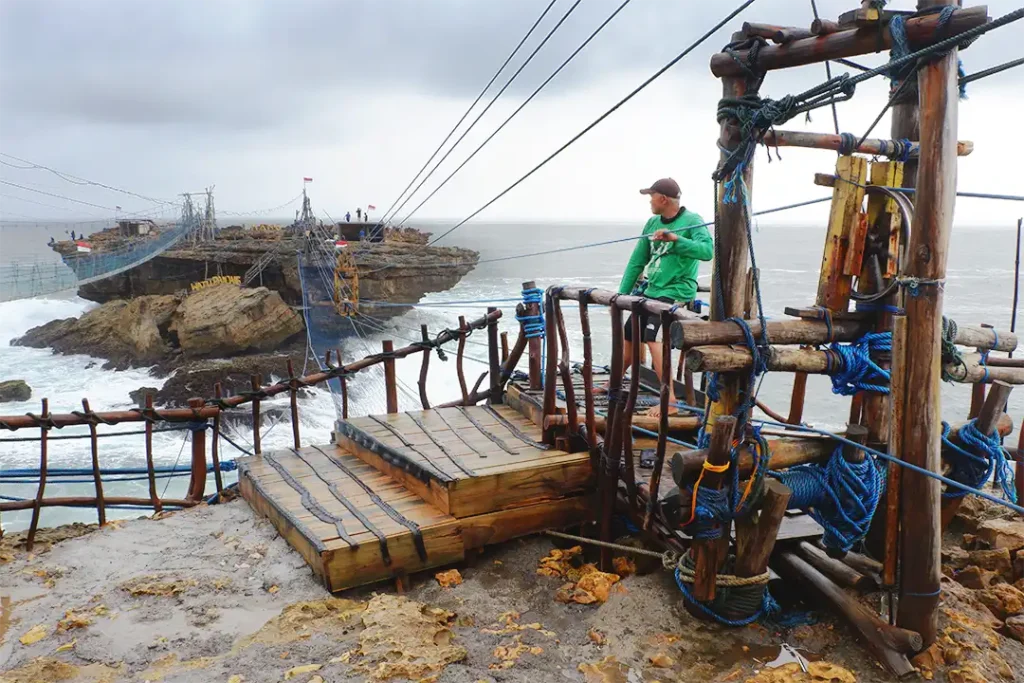
Timang Beach, located in Gunungkidul, Yogyakarta, Indonesia, is a unique coastal destination where traditional fishing activities and tourism exist side by side. Known for its dramatic ocean waves and iconic Timang gondola, the beach attracts many international visitors seeking an unforgettable coastal adventure. However, beyond its popularity as a tourist attraction, Timang Beach is also an important place for local fishermen who depend on the ocean for their livelihoods. Understanding the relationship between tourism and fishing offers visitors a deeper appreciation of the local community and its way of life.
During the day, Timang Beach tourism becomes the main attraction. International travelers visit the area to experience the famous Timang Gondola, admire the powerful waves of the Indian Ocean, and explore the surrounding coastal landscape. For many visitors, the journey itself is part of the adventure, especially when traveling across rugged terrain in a local four-wheel-drive vehicle. The growing popularity of Timang Beach has created opportunities for residents to work in tourism. Such as providing transportation, operating the gondola, assisting visitors, and offering services around the beach.
Timang Shuttle Jeep as Main Transport Vehicle
One of the essential services supporting this destination is the Timang Shuttle Jeep. Since the road leading to Timang Beach includes rough and rocky sections, visitors commonly use local jeeps to travel between the main parking area and the beach. These vehicles are more than just tourist transportation; they are also part of the local economy, helping residents earn income from the growing number of travelers. The same jeeps that transport international visitors during the day can also support local fishermen who need to travel to the coast for their fishing activities.
When night falls, the atmosphere at Timang Beach changes significantly. The crowds of tourists gradually disappear, and the coastal area returns to the rhythm of traditional fishing life. For local fishermen, nighttime can be an important period to catch lobster or fishing using rods, depending on the season and sea conditions. While visitors usually associate Timang Beach with its gondola and spectacular ocean views, the darkness reveals another side of the destination: a working coastline where the sea remains a source of food, income, and livelihood for the local community.
Timang Beach Fishermen Fishing Method
One traditional method used by fishermen to catch lobster is Krendet fishing. A Krendet is a specialized trap or catching device used to catch lobsters along rocky coastal areas. Fishermen must understand the movement of the waves and the conditions around the rocks to carry out this activity. Lobster fishing can be challenging because the southern coast of Java is exposed to powerful Indian Ocean waves. The success of each fishing trip depends on factors such as the season, weather, tides, and sea conditions. For local fishermen, knowledge passed down through experience is essential to working safely and effectively in this demanding environment.
Besides catching lobster, some fishermen practice rod fishing to target species such as Giant Trevally. This activity also depends on seasonal conditions and the availability of fish along the coast. Fishermen must choose suitable locations, prepare their equipment, and pay attention to wave height and ocean currents before fishing. During periods of rough seas, fishing may become more difficult or unsafe. These natural conditions influence when fishermen go to sea, which fishing methods they use, and how they balance their work with other sources of income.
Timang Beach Fishing and Tourism Connection
Interestingly, fishing and tourism share a practical connection through the use of local transportation. The Timang shuttle jeep service supports visitors traveling to the beach, while similar vehicles can also help fishermen access the coastal area and transport their equipment. This shared use reflects how local resources and services can support different economic activities within the same community. Tourism provides opportunities for additional income, while fishing remains an important part of the area’s coastal identity. Although the needs of tourists and fishermen may differ, both activities depend on access to the beach, suitable weather, and an understanding of the challenging terrain.
The relationship between tourism and fishing also gives visitors a reason to look beyond the usual attractions. A visit to Timang Beach is not only about riding the gondola or photographing the waves. It can also be an opportunity to learn about the people who live and work along this rugged coastline. Observing local fishing traditions, understanding how lobster is caught, and discovering why fishermen depend on seasonal sea conditions can make the experience more meaningful. Visitors should remember that the beach is a working environment as well as a tourist destination. So respecting fishermen’s activities, equipment, and safety boundaries is important.
Ultimately, Timang Beach represents the meeting point between coastal tourism and traditional fishing livelihoods in Gunungkidul. During the day, it welcomes international travelers who come for adventure and extraordinary ocean scenery. At night, local fishermen continue their work, catching lobster with Krendet or targeting Giant Trevally with fishing rods. Supported by local services such as the Timang shuttle jeep, these two activities form part of the community’s wider economic life. By experiencing Timang Beach with an understanding of both tourism and fishing, visitors can appreciate not only its natural beauty. But also the hard work, local knowledge, and traditions that make this coastal destination unique.