How Local Fishermen Catch Lobsters at Timang Beach, Yogyakarta
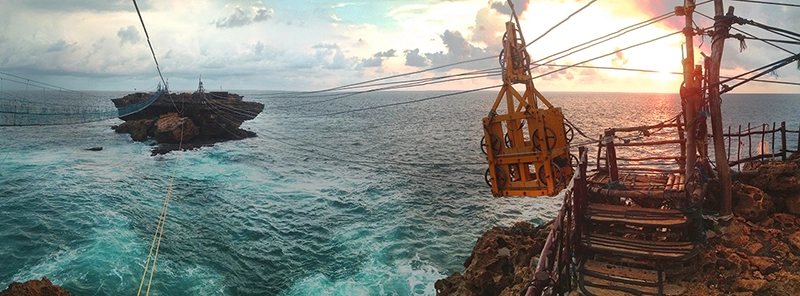
Timang Beach in Gunungkidul, Yogyakarta, is famous for its dramatic ocean views, traditional gondola crossing, and fresh seafood. Beyond its popularity as a tourist destination, Timang Beach is also known for its local fishing community, whose livelihoods are closely connected to the powerful waves of the Indian Ocean. One of the most interesting activities in this coastal area is Lobster fishing. For visitors who want to discover the local culture, learning how fishermen catch Lobsters at Timang Beach offers a fascinating glimpse into the daily lives of coastal communities.
The Natural Habitat of Lobsters at Timang Beach
The rocky coastline surrounding Timang Beach provides a natural habitat for lobsters. Beneath the ocean surface, rocky crevices and underwater formations offer shelter for these marine animals. The waters along the southern coast of Yogyakarta are known for their challenging ocean conditions, making lobster fishing a demanding activity that requires local knowledge and experience. For generations, local fishermen have learned to understand the coastal environment, including the waves, tides, and suitable areas for finding lobsters.
Preparing for a Lobster Fishing Trip
Before heading out to catch lobsters, fishermen need to prepare their equipment and carefully assess the ocean conditions. Their main equipment is traditional fishing tools called Krendet, a circular monofilament net trap with an iron frame designed to catch lobsters in rocky coastal waters. The diameter of Krendet is generally between 40 cm and 60 cm, with iron frame thickness around 4 mm to 8 mm. Other useful equipment includes 50 – 100m ropes, gloves, a headlamp or flashlight for low-light conditions, containers for the catch, and appropriate safety gear. Every piece of equipment serves a purpose, from positioning the trap to safely bringing the catch back to shore. To attract Lobster, fishermen in Timang Beach use fish as bait or other suitable marine animals tied in the middle of the Krendet.
Although Ngrendet uses relatively simple equipment, it requires experience, patience, and an understanding of the sea. Fishermen must choose appropriate locations, read changing tides, handle ropes carefully, and work safely around slippery rocks and powerful waves.
Safety is especially important at Timang Beach because strong currents, high waves, and slippery rocks can create dangerous conditions. Experienced fishermen pay close attention to weather forecasts and sea conditions before deciding whether it is safe to fish.
Searching for Lobsters Among the Coastal Rocks
Finding lobsters requires patience and a good understanding of their natural habitat. Local fishermen look for suitable rocky areas where lobsters may hide in crevices and underwater shelters. Their knowledge of the coastline helps them identify promising fishing locations and recognize changes in ocean conditions. However, lobsters can be difficult to find because they often remain hidden during the day. This makes lobster fishing a skill that depends not only on equipment but also on observation and years of experience.
Traditional Techniques Used to Catch Lobsters
To catch Lobster, fishermen on Timang beach use traditional fishing tools called Krendet. The activity of catching lobster using these tools is called Ngrendet.
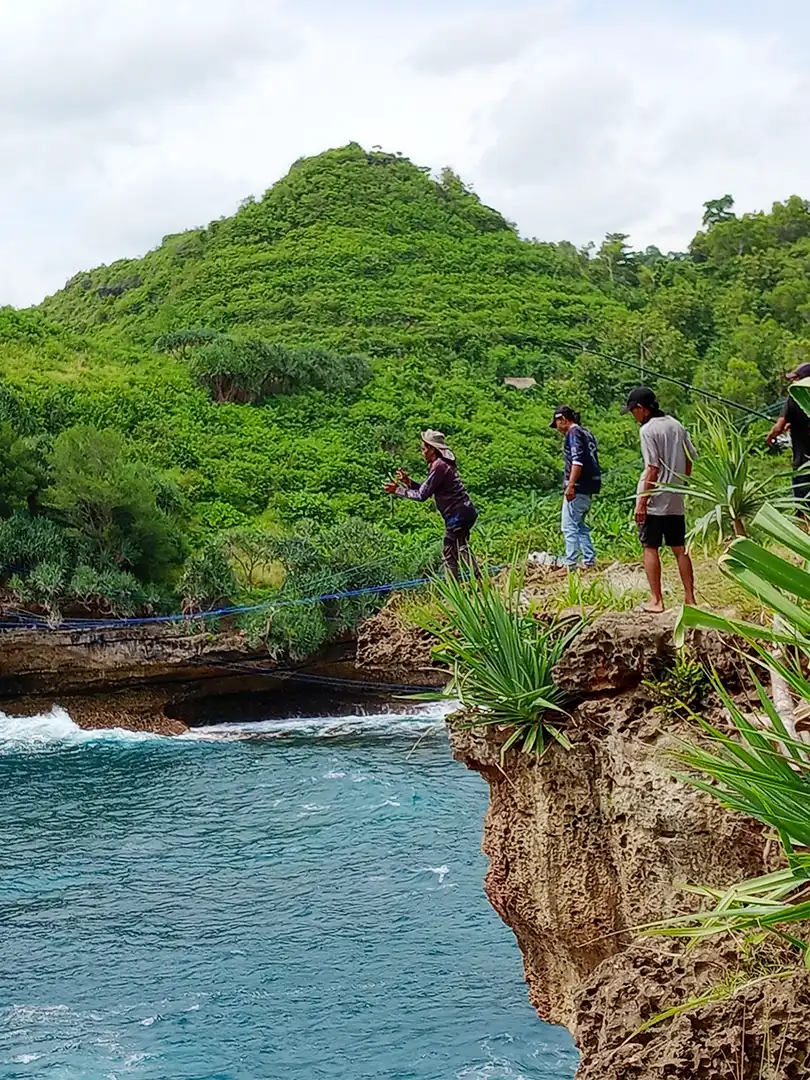
Fishermen working from coastal cliffs may use a longer rope to lower and retrieve the Krendet, while those operating from boats can set multiple traps around suitable rocky fishing grounds.
For local fishing communities, Ngrendet is more than a way to earn a living; it is also part of the coastal traditions and fishing knowledge passed down through generations.
Fishermen in Timang Beach usually set Krendet traps in the late afternoon, leaving them in suitable rocky areas overnight before retrieving them the following morning. Lobsters are generally active at night, making this timing useful for catching them. The lobster fishing season also affects the results, with research identifying October to December as a peak period in Gunungkidul waters. However, actual fishing schedules and catches can vary depending on weather, waves, tides, and local conditions.
Facing the Powerful Waves of the Indian Ocean
One of the most challenging aspects of lobster fishing at Timang Beach is dealing with the powerful waves of the Indian Ocean. The southern coast of Java is known for its rough sea conditions, and large waves can crash against the cliffs and rocky shoreline. Fishermen must understand the risks and know when to avoid dangerous areas. Although the dramatic waves create beautiful scenery for visitors, they also serve as a reminder that the ocean demands respect. Fishing activities should only take place when conditions are suitable and with appropriate safety precautions.
Collecting and Sorting the Lobster Catch
After a successful fishing trip, fishermen collect their catch and sort the lobsters according to their size, condition, and market requirements. The catch may then be transported to local buyers, seafood traders, or restaurants. Fresh lobsters are valued for their distinctive flavor and are a popular seafood choice among visitors to the Gunungkidul region. The amount caught can vary considerably depending on weather conditions, the season, and the availability of lobsters in the surrounding waters. Some fishing trips may produce a good catch, while others require considerable effort for a smaller result.
The Connection Between Lobster Fishing and Local Seafood
Lobster fishing contributes to the coastal economy by supporting fishermen, seafood sellers, and local restaurants. Visitors exploring Timang Beach may also have the opportunity to enjoy fresh seafood at nearby establishments, including places serving locally prepared lobster dishes. For travelers who appreciate authentic culinary experiences, trying seafood in the area can be a memorable way to connect with local culture. The journey from the ocean to the dining table also highlights the hard work involved in bringing fresh seafood to visitors.
Kedai Lobster Pak Sis and the Local Fishing Experience
A visit to Timang Beach can also include exploring the local seafood scene around the beach access area. Kedai Lobster Pak Sis is one of the names associated with the Timang Beach visitor experience, offering travelers a point of interest when discovering the area’s lobster culture. Visitors can ask local people about the seafood available, how lobsters are prepared, and the role fishing plays in the community.
Experience Timang Beach Beyond the Gondola Ride
Many travelers visit Timang Beach primarily to experience the famous traditional gondola and admire the spectacular ocean views. However, understanding the local lobster fishing industry adds another dimension to the trip. It reveals how the coastline supports local livelihoods and how fishermen rely on their knowledge of the sea. Visitors can enjoy the scenery, learn about the fishing community, photograph the rugged coastal landscape from safe public viewpoints, and sample local seafood. By discovering more than the main attraction, travelers can gain a deeper appreciation of Timang Beach and its coastal traditions.
Conclusion: Discover the Coastal Life of Timang Beach
Lobster fishing at Timang Beach is more than a way to earn a living; it reflects the relationship between local communities and the challenging waters of the Indian Ocean. From identifying suitable habitats and preparing fishing equipment to collecting the catch and supplying local seafood sellers, each stage requires knowledge, patience, and careful consideration of safety. For travelers visiting Gunungkidul, learning about lobster fishing provides a meaningful cultural experience alongside the famous Timang Beach gondola adventure.
If you are planning a trip to Timang Beach from Yogyakarta, consider combining the gondola experience with local seafood and a closer look at the area’s coastal traditions. With its dramatic cliffs, powerful waves, and distinctive fishing culture, Timang Beach offers much more than a beautiful view — it offers a chance to discover the everyday life behind one of Yogyakarta’s most remarkable coastal destinations.