Timang Beach Fishermen’s Paradox: Fishing, Rough Seas, and Tourism
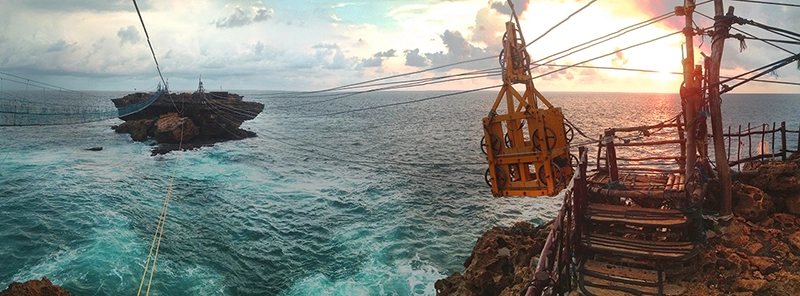
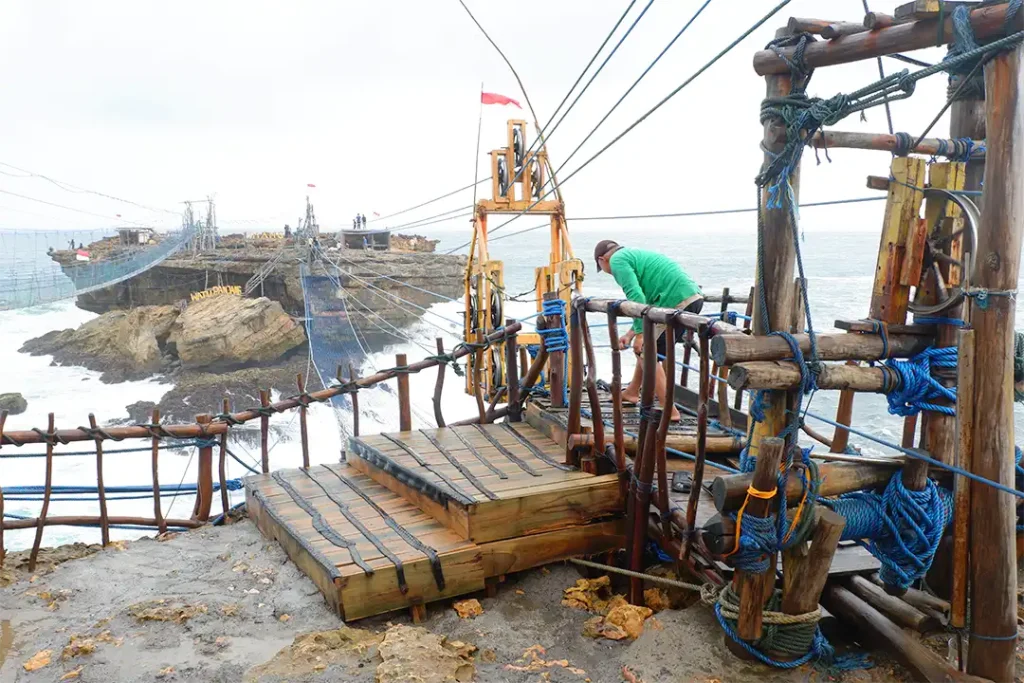
Timang Beach presents a fascinating paradox for local fishermen. When the sea is calm, fishermen can safely go out to catch lobsters or fish, supporting their traditional livelihoods. However, calm conditions do not always attract as many tourists. In contrast, when the sea becomes rough, fishing activities may become too dangerous, but the dramatic waves and powerful ocean scenery often draw more visitors to Timang Beach. For adventurous travelers, these conditions create an exciting opportunity to experience the thrilling traditional gondola ride across the crashing waves while enjoying the spectacular coastal landscape. This contrast between the fishermen’s challenges and the tourists’ excitement reveals the unique relationship between nature, local livelihoods, and tourism at Timang Beach.
Lobster Fishing Season Around Timang Beach
Lobster fishing is an important part of coastal life in Gunungkidul, including the wider Timang Beach area. Local fishermen depend on suitable sea conditions, seasonal lobster availability, and access to rocky coastal habitats. An Indonesian fisheries study of lobster fishing in Sadeng reported that the main fishing season typically occurred from October to December, while May to September was described as a lean season and January to April as a normal season. This provides useful regional context, although actual catches around Timang Beach may differ according to local fishing grounds, lobster species, weather, and fishing methods. The seasonal pattern should therefore be treated as a general reference rather than a guaranteed lobster calendar.
Lobster fishing is closely connected to the condition of the sea. Timang Beach fishermen may need to work around rocky shores, submerged reefs, and exposed coastal areas where waves and currents can make access difficult. During rough conditions, fishing trips may be postponed or reduced to protect fishermen and their equipment. When the sea becomes more manageable, fishermen can resume their activities according to local conditions and regulations. Visitors interested in learning about lobster fishing can gain a deeper appreciation of the knowledge, patience, and experience required to harvest seafood along Gunungkidul’s rugged southern coastline.
Rod Fishing Season and the Best Time to Catch Fish
Rod fishing around Timang Beach and nearby coastal locations depends on more than the time of year. Timang Beach fishermen consider the target species, water movement, bait, fishing location, wind direction, and the availability of fish near rocky structures. Fishing from suitable shore-based spots can be attractive when the sea is relatively calm, and anglers can safely reach their chosen positions. Some fishermen also pay attention to dawn, dusk, and changing tidal conditions, although the most productive time varies with the species and location. Beaches such as Gesing and the Sadeng coastal area offer useful examples of fishing communities where local knowledge helps anglers understand the sea.
During periods of rough weather, rod fishing from exposed rocks becomes dangerous because large waves can sweep across ledges without warning. A promising fishing season does not necessarily mean every day is suitable for fishing. Anglers should choose accessible locations, ask local fishermen about current conditions, and avoid exposed rocks whenever waves are high. For anyone planning a fishing trip in Gunungkidul, safety and the local marine forecast should always take priority over the possibility of a larger catch.
How Tides Affect Lobster Fishing and Rod Fishing
Tides are another important factor influencing fishing activities around Timang Beach. The movement between high and low water changes the depth of the water over reefs, the accessibility of rocky areas, and the movement of water through coastal channels. Depending on the target species and local conditions, changes in water movement may affect where fish feed and where fishermen choose to cast their lines. Timang Beach fishermen may also consider water levels when assessing access to rocky habitats and deciding when particular areas can be approached safely.
Research conducted at Gesing Beach found that its tides have a mixed, predominantly semidiurnal pattern, meaning the area generally experiences two high tides and two low tides during a tidal day, although the heights are not necessarily equal. This is useful regional background for understanding coastal conditions near Timang Beach, but the exact tide level and timing should be checked for the planned date and location. Tides alone cannot predict fishing success: swell height, currents, weather, bait, and the behaviour of marine life also play important roles. Fishermen should never assume that low tide or high tide automatically makes an exposed rocky area safe.
Why Rough-Wave Season Can Be an Exciting Time to Visit Timang Beach
Interestingly, the season that makes fishing more difficult can create a memorable visual experience for visitors to Timang Beach. When ocean swells meet the rugged limestone cliffs and offshore rocks, waves can crash dramatically against the coast, sending white spray into the air. From a safe viewing point, visitors may witness the raw power of the southern Indian Ocean, making the scenery especially appealing to landscape photographers and travelers seeking a more adventurous coastal atmosphere. The contrast between dark rocks, white foam, and the deep blue ocean gives Timang Beach much of its distinctive character.
However, the most dramatic waves do not automatically make the best or safest day for tourism. Strong swells can close access to exposed areas and affect gondola operations or other coastal activities. The ideal time to visit is when the sea provides an impressive view while local operators and authorities consider conditions safe enough for the planned activities. Visitors should follow instructions from local staff, stay behind safety boundaries, and never approach the edge of cliffs or wave-washed rocks to take photographs. A spectacular view is best enjoyed from a safe distance.
Best Time to Visit Timang Beach for Weather, Fishing, and Coastal Scenery
The best time to visit Timang Beach depends on the experience you want. Travelers looking for clearer skies and a more comfortable journey may prefer days with favourable weather and manageable waves. Visitors interested in the dramatic side of the southern coastline may enjoy seeing waves breaking against the rocks, provided access remains safe and local operators permit visits. Meanwhile, anglers and travelers interested in local fishing culture should plan around seasonal fishing patterns, tidal information, and advice from the people who work along the coast.
Before traveling, check the latest BMKG marine forecast for Gunungkidul, review the tide information for the relevant coastal area, and confirm conditions with local guides or fishing operators. The forecasts for Gesing and Sadeng can help provide regional context because both locations support fishing activities, but neither should be treated as an exact substitute for conditions at Timang Beach. By understanding the relationship between weather, waves, lobster fishing, rod fishing, and tides, visitors can appreciate Timang Beach not only as a tourism destination but also as a living coastal environment shaped by the rhythms of the Indian Ocean.